QR menu best practices for independent restaurants
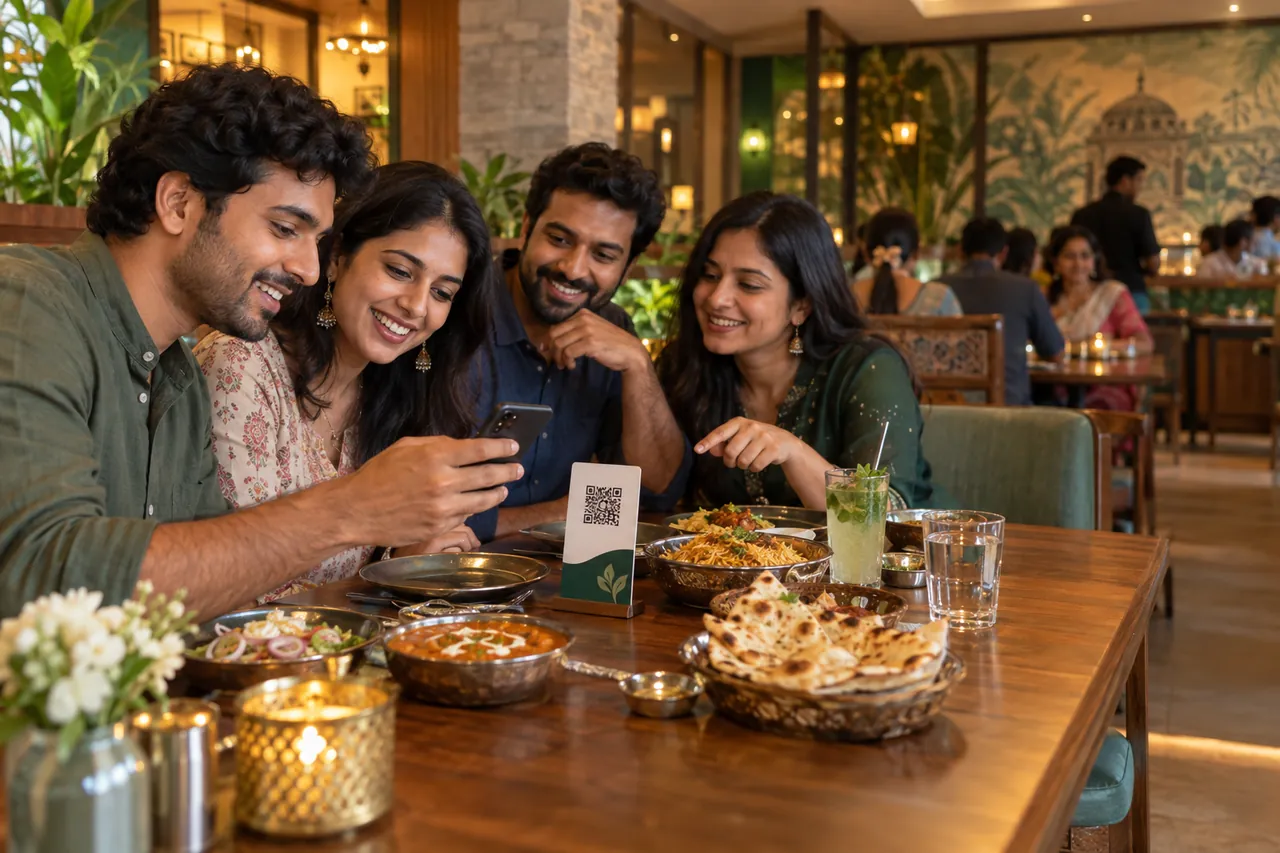
A QR code is only the doorway. The real experience depends on where it is placed, how quickly the menu opens, and whether guests can find what they want without asking for help.
 ServeMantra
 guides
Practical, plain-language guides for independent restaurants adopting digital menus, building an online presence and learning from service data.
A QR code is only the doorway. The real experience depends on where it is placed, how quickly the menu opens, and whether guests can find what they want without asking for help.
Each guide focuses on choices restaurant teams can understand and apply, whether or not they use ServeMantra.
Give search engines and guests a reliable place to understand your restaurant, location, menu and service options.
Use a small set of meaningful measures to improve menu choices, staffing conversations and service flow.
See how ServeMantra’s planned guest, kitchen and owner experience fits together.
Good guidance should help an owner make one clear improvement, explain it to the team and judge the result. The ServeMantra library is organised around that standard.
Digital menu essentials
A QR code does not automatically create a good digital experience. Placement, lighting, loading speed, readable type and a well-organised menu all shape what happens next. Our digital-menu guides cover how to choose table-card positions, provide a fallback for guests who need help, structure categories around real decisions and keep sold-out information current.
We also look at trust. Prices, dietary tags, spice indicators and allergen information should come from the restaurant’s confirmed data. A menu should never infer a safety claim simply because a dish name sounds familiar. Clear ownership of that information is more valuable than decorative complexity.
Local discovery
Search visibility begins with consistent information. A useful restaurant page explains the name, place, service modes and menu in language customers understand. It should have a stable address, a unique page title, a focused description and headings that match the content. Fast mobile performance and descriptive image text make the same page easier for both people and search systems to interpret.
Our local-search articles focus on first-party basics rather than shortcuts. They explain how a restaurant website can complement map listings and social accounts, why location details need to agree across channels, and how useful updates build a stronger long-term signal than repeating keywords unnaturally.
Service design
Restaurant technology crosses human hand-offs. A guest chooses; the restaurant accepts; the kitchen prepares; service staff deliver; the restaurant confirms checkout. Guidance in this section examines where responsibilities should be explicit and which status changes deserve attention. It also explores table-service and self-service differences so teams can choose a workflow that suits them.
One principle appears throughout: the interface should not hide uncertainty. If an order is awaiting acceptance, say so. If a payment is merely claimed, keep it pending. If another device controls a table order, let other guests browse while explaining how staff can transfer access.
Menu operations
Photographs, PDFs and spreadsheets can shorten initial menu setup, but extraction is never perfect. Our menu guidance covers preparing readable source files, reviewing category and variation structure, spotting price conflicts and publishing in manageable stages. Owners remain responsible for approving every live detail.
Future articles will also cover availability schedules, rapid text entry, add-ons and practical naming. The aim is a menu guests can understand quickly and staff can maintain during the normal pace of restaurant work.
Reports and decisions
A long dashboard can still leave an owner without an answer. We focus on a smaller set of operational questions: What sells together? Which dishes attract views but not orders? When does preparation slow? What do guests search for and fail to find? How does order value vary by service period?
The reporting guides explain how to compare similar periods, avoid mistaking one unusual day for a trend and discuss results with the people doing the work. Illustrative growth graphics on this website explain a concept; they are not promises of a particular sales result.
Using the library
Begin with the problem closest to your current service. If guests struggle after scanning, start with QR menu best practices. If your restaurant information is scattered, read the local-search guide. If reports feel overwhelming, begin with the decision-focused analytics article. Each guide can stand alone and links to the related ServeMantra capability where useful.
New articles will deepen these topic clusters as product phases become available. We will distinguish live functionality from roadmap ideas, avoid presenting ServeMantra as a payment gateway or tax platform, and keep the advice relevant even for a restaurant that has not created an account.