Restaurant presence
Your public page
A unique search-friendly URL with restaurant name, city, state, service modes, contact details and published menu data.
Available foundation ServeMantra
One connected service flow
ServeMantra is being built for the operational moments independent restaurants handle every day—without turning hospitality into software administration.
The foundation is live today: OTP-verified owner signup, restaurant details, service modes, a public restaurant page and an owner dashboard. Ordering and operations features below are clearly marked as roadmap items.
Restaurant presence
A unique search-friendly URL with restaurant name, city, state, service modes, contact details and published menu data.
Available foundationAccount setup
OTP signup asks only for the owner’s name; restaurant details follow safely on the dashboard after verification.
Available todayDigital menu
Import from photos, PDFs, spreadsheets or text, then review every extracted detail before publishing.
Product roadmapAt the table
Browser-based browsing, one verified ordering host, multiple rounds, notes and assistance requests.
Product roadmapBack of house
Accept or reject items, update preparation states and keep service staff aware of what is ready.
Product roadmapDecisions
Review order value, popular dishes, preparation time and payment mix, then export operational data.
Product roadmap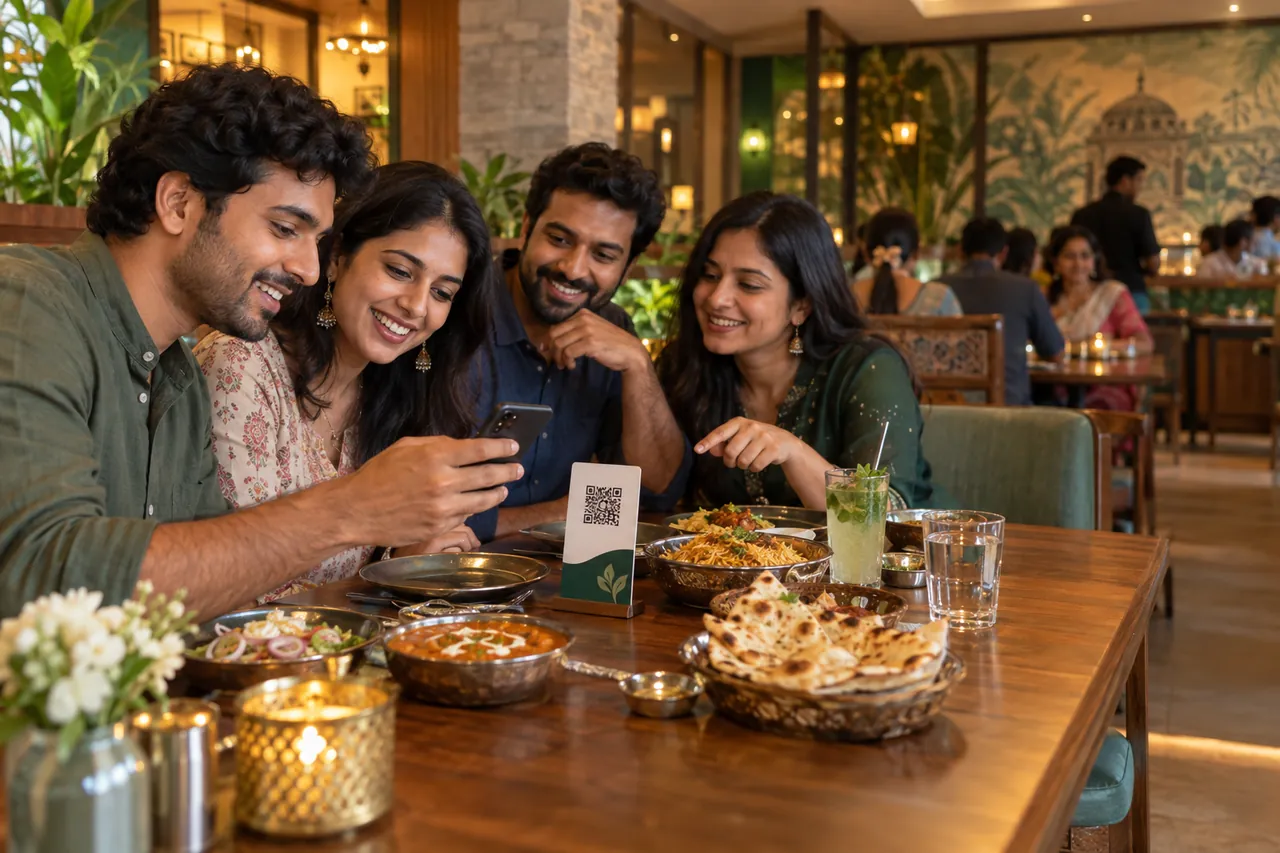
For guests
Make the table experience understandable from the first scan. Guests can browse without an installation, while the restaurant controls the source of truth.
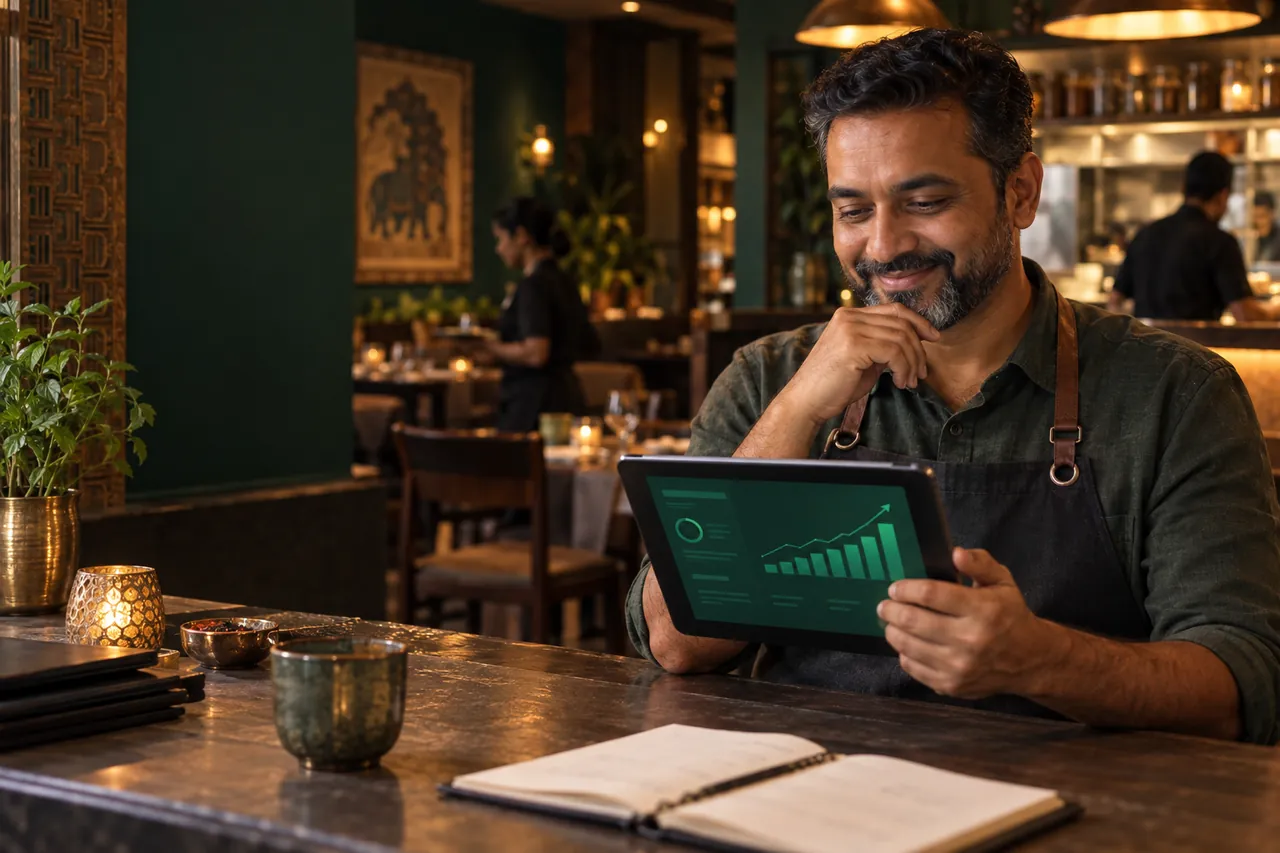
For owners
The planned owner workspace connects what happened during service with the decisions that shape the next one.
Restaurant software is useful when each screen answers the next practical question. ServeMantra’s roadmap follows the path from being discovered to serving a table, closing an order and learning from the day.
Accurate menus
Owners will review imported menu information before it appears to guests. Categories, item names, prices, variations, add-ons and availability remain under restaurant control. Food photographs are optional, so a clear text-first menu can go live without waiting for a photoshoot. Restaurant-confirmed dietary and allergen details are shown without inventing claims.
Flexible service
A dine-in restaurant, takeaway counter or venue using both modes should not be forced into the same workflow. Table-service teams can manage rounds and served states; self-service teams can work with pickup numbers and collection. Owners choose their service style during dashboard setup and can build the experience around actual operations.
Clear responsibility
ServeMantra is not a payment gateway or tax-invoice system. The restaurant confirms the final payable total and keeps responsibility for its official invoice. A direct UPI claim remains pending until authorised staff verify that payment was received, helping the interface communicate the difference between a customer claim and confirmed payment.
A practical foundation
Every restaurant begins with a verified owner account. Signup asks only for the owner’s name alongside the OTP, keeping the time-sensitive step short. Once inside the dashboard, the owner adds the restaurant name, city, state, order modes and service style. ServeMantra then creates a unique public address that combines recognisable location words with a six-digit identifier. That structure helps guests recognise the page while preventing clashes between restaurants with similar names.
The public page is intended to become the restaurant’s dependable home on the web: a place where search engines and customers can find consistent location, service and menu information. It does not replace good hospitality or every existing channel. It gives the restaurant a first-party destination it can link from maps, social profiles, table cards and printed material.
Operational roadmap
Most service problems appear between steps: an unavailable dish is still shown, a kitchen update does not reach the floor, or a payment claim is mistaken for confirmation. The planned product links those hand-offs with explicit states. Guests see current choices, kitchen teams see accepted work, service staff see what is ready, and owners can review the same activity later.
Role-based access is part of that approach. Owners, managers, kitchen staff and waiters need different controls, and permissions must be enforced by the server rather than only hidden in the interface. Every important menu, order, payment and access change should leave an audit trail. This makes the product calmer to use and easier to trust during a busy shift.
Useful after service
Future reporting will focus on decisions an independent restaurant can act on: popular dishes, average order value, preparation time, searches that found nothing, payment mix and combinations frequently ordered together. Filters by date, outlet and status will make summaries easier to compare. CSV and XLSX exports will let owners continue working in familiar tools without suggesting that ServeMantra provides statutory accounting or GST compliance.
These capabilities are being introduced in stages. Labels on this page distinguish the available account and public-page foundation from ordering, kitchen and analytics roadmap features. That honesty matters: an owner should know what can be used now, what is planned, and why each part belongs in the wider service flow.
Start with the foundation
Create the owner account, add your location and service modes, and receive your unique ServeMantra restaurant page.
Start your restaurant accountThe trial begins at signup. Roadmap capabilities are introduced in phases and are not represented as available today.